 Dabble
The Cutting E.D.G.E.
Tangible artifacts and AI voices that let people hold, visit, and pass on lost queer histories.
The need
Queer history exists, but it sits sealed in archives and behind display cases — preserved, not lived in. That distance leaves queer people with a felt severance from ancestors and futures cut short, and leaves the rest of us without the stories. Of more than 30,000 museums in the United States, only five are dedicated to queer history.
The approach
Eric set out to make that history something you can hold and pass on. Grounded in real archival records and 15 interviews, the work pairs tangible artifacts with AI character voices, using speculative and ritual design to turn buried histories into lived encounters.
- Archival research and 15 interviews
- Speculative and ritual design
- Physical–digital fabrication
The artifact
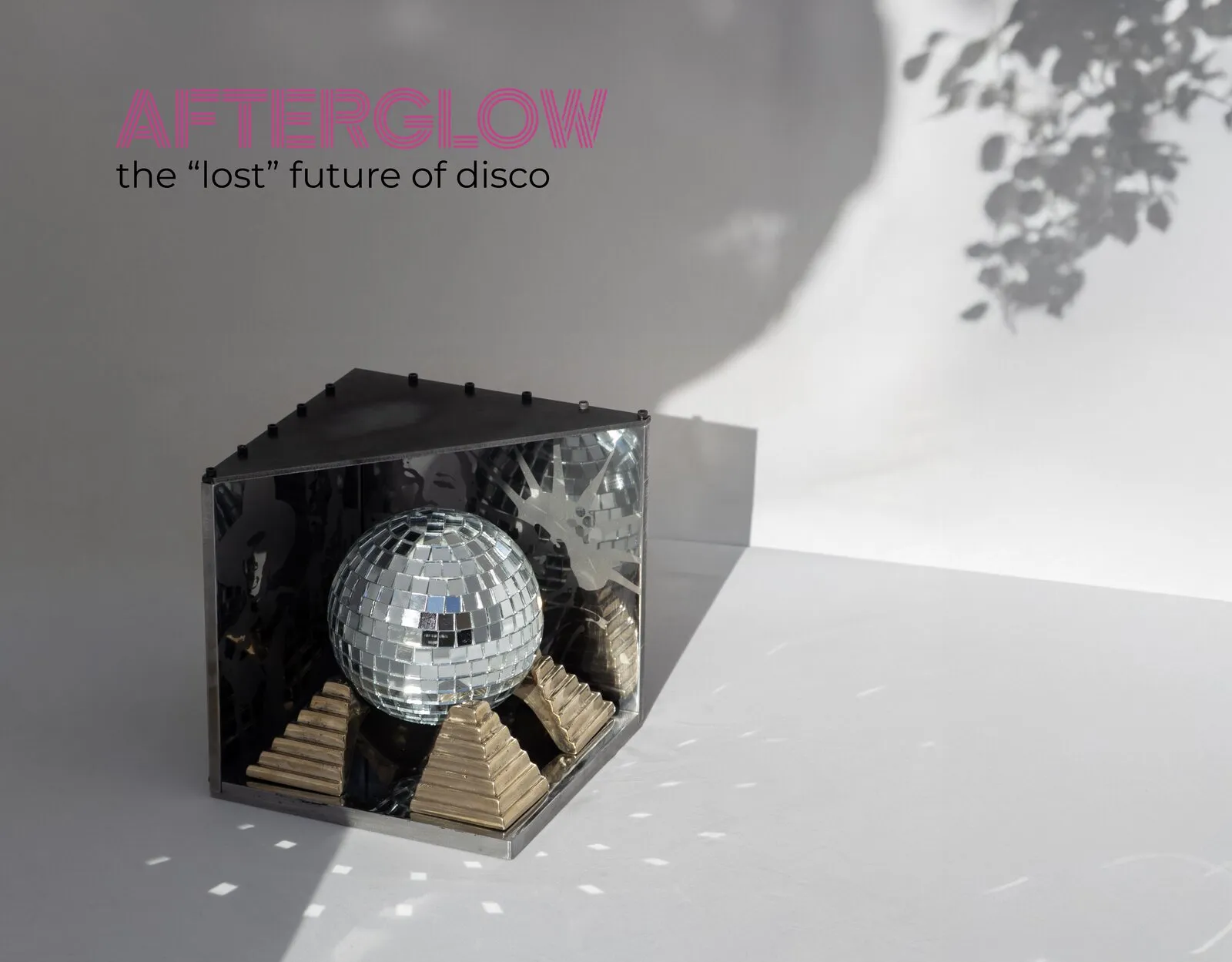
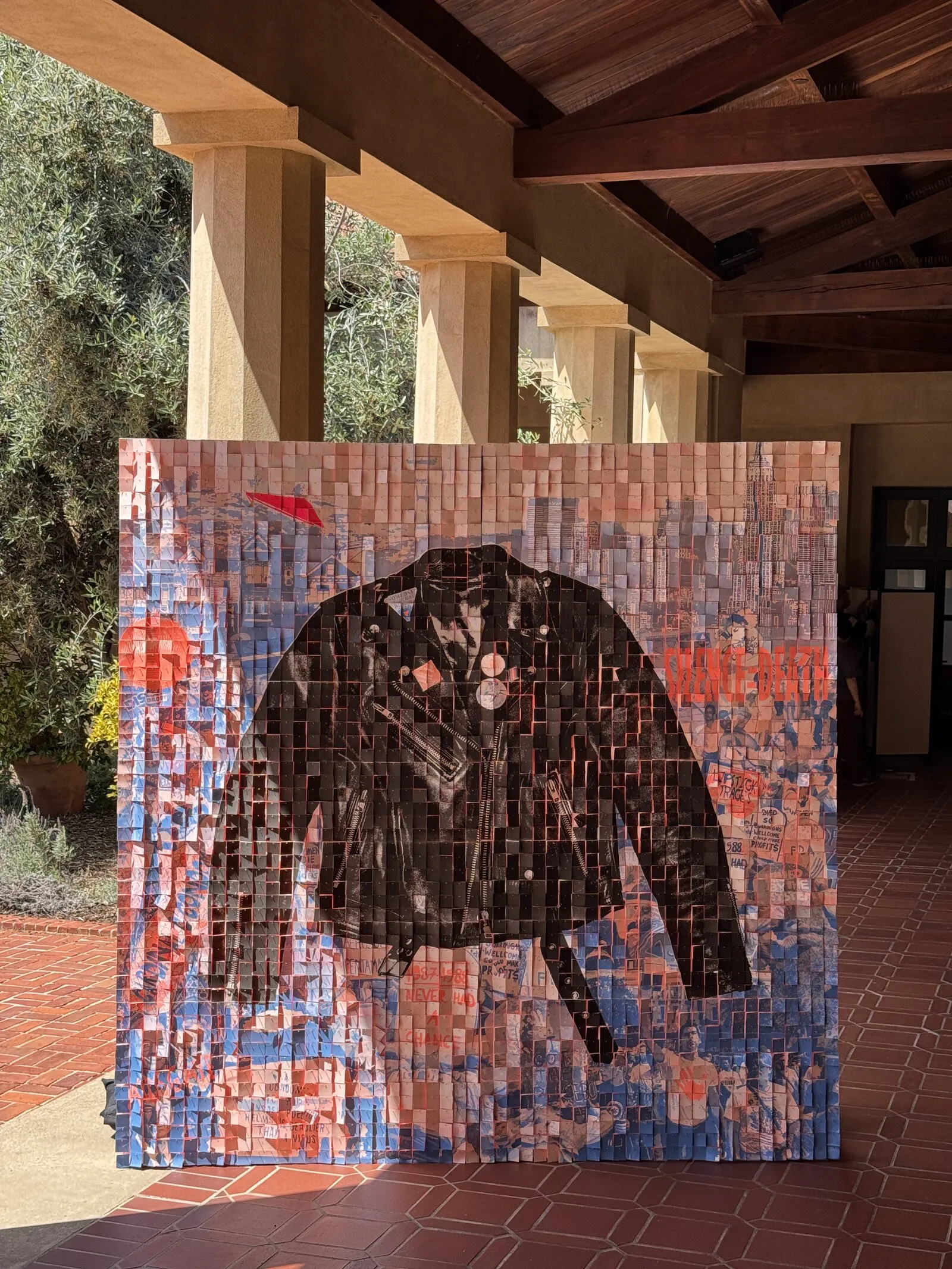
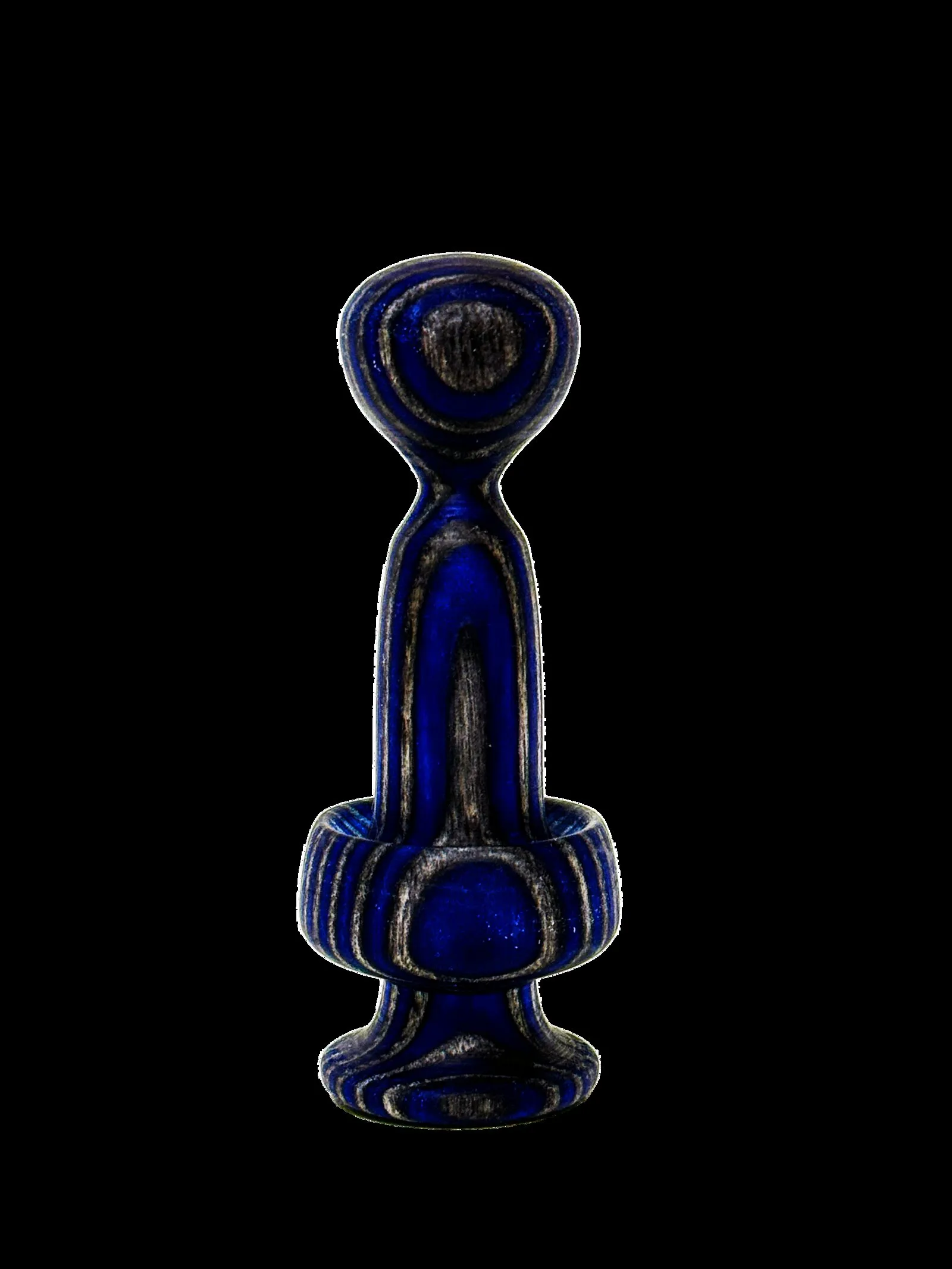
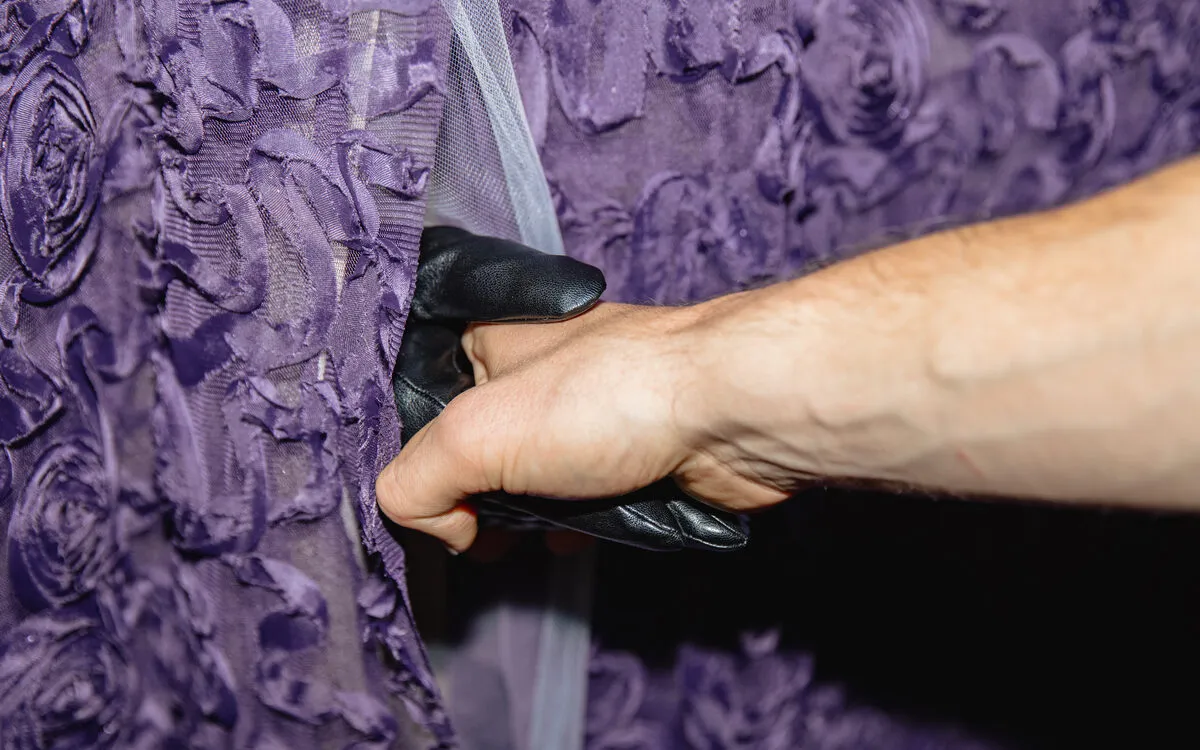
The Cutting E.D.G.E. is a set of 17 hand-lathed wooden figurines, each with an NFC chip tied to one of seven real San Francisco queer-history sites. Tapping one wakes an AI character the holder has fourteen days to visit, listen to, and pass on. Around it sit earlier works — a risograph AIDS-memorial mural, the speculative Afterglow object, and Moments of Drag.
Why it matters
The Cutting E.D.G.E. moves queer history out from behind glass and into people’s hands — something to commune with, carry, and hand to the next person, so it keeps living.
“Of more than 30,000 museums in the country, only five are dedicated to queer history.”
From the thesis